
Turning Student Interest Into Campus Visits and Applications

Getting prospective students interested in a college is only the beginning of the recruitment process. The next challenge is encouraging them to take meaningful steps toward enrollment, from exploring academic programs to scheduling campus visits and submitting applications. A well-planned social media marketing for higher education approach can introduce students to an institution, but lasting progress depends on what happens after that initial interaction. Colleges need to provide relevant information, build trust, and make it easy for interested students to learn more.
Understand What Motivates Prospective Students
Students consider several factors when evaluating colleges, including academic offerings, affordability, campus culture, career opportunities, location, and available student support. Their priorities can differ significantly depending on their age, educational goals, family circumstances, and intended career path.
Colleges can make their outreach more effective by understanding these motivations instead of relying on broad messages about academic excellence or campus life. For example, a student interested in nursing may want to learn about clinical experiences, certification requirements, and career pathways. Someone considering a business degree might be more interested in internships, networking opportunities, and graduate employment outcomes.
Providing information that addresses these specific concerns gives prospective students a reason to continue exploring an institution. It also helps them determine whether the college aligns with their personal and professional goals.
Create Clear Next Steps for Interested Students
Interest can fade when prospective students do not know what to do next. Colleges should make the path from initial discovery to application straightforward, with clear opportunities to learn more at every stage.
A student reading about an academic program, for instance, should be able to find related course information, faculty details, career outcomes, and upcoming information sessions without navigating through several unrelated pages. Calls to action can guide students toward requesting information, registering for an open house, speaking with an admissions representative, or starting an application.
These invitations should match the student’s level of interest. Someone encountering a college for the first time may not be ready to apply, while a student who has already attended a virtual information session may appreciate a direct invitation to visit campus.
When each interaction offers a logical next step, students can move forward at their own pace without feeling pressured to make an immediate decision.
Make Campus Visits Worth the Trip
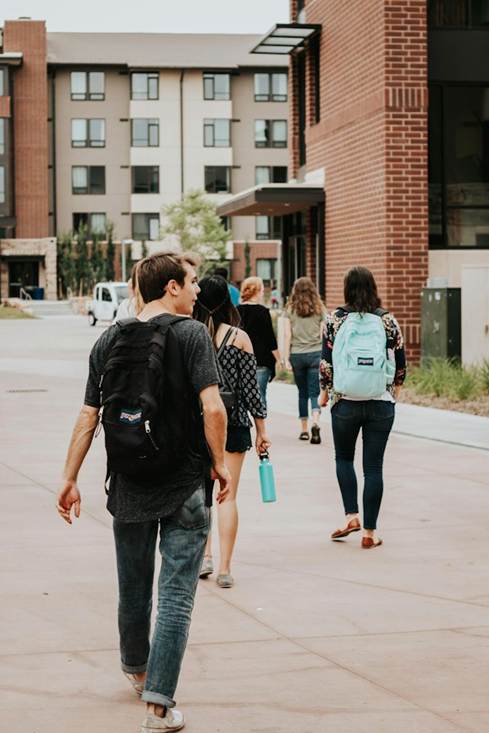
A campus visit gives prospective students an opportunity to experience a school beyond its website, brochures, and promotional materials. It allows them to explore classrooms, residence halls, student spaces, and other facilities while getting a sense of the campus atmosphere.
However, simply offering a tour may not be enough to convince students and their families to attend. Colleges should design visits around the questions prospective students are most likely to have.
Depending on the institution, a visit might include a meeting with faculty members, an overview of financial aid, a demonstration of specialized facilities, or a conversation with current students. Allowing visitors to explore areas connected to their intended major can make the experience feel more personal and relevant. Utilizing a campus visit checklist can provide additional ideas for evaluating a college, from speaking with professors and admissions staff to exploring student spaces and campus activities.
Convenience also matters. Clearly communicating parking information, event schedules, accessibility options, and registration requirements helps families plan their visits. For students who live far away or cannot travel easily, virtual tours and online information sessions provide alternative ways to explore the institution.
Use Authentic Stories to Build Confidence
Prospective students often want to understand what daily life at a college is really like. While information about degrees, tuition, and facilities is essential, personal experiences can help bring those details to life.
Student profiles, alumni interviews, faculty perspectives, and examples of campus involvement can show how an institution supports different interests and ambitions. A student discussing an internship experience, for example, may help an applicant understand how classroom learning connects to professional opportunities.
Authenticity is important. Stories should reflect genuine experiences rather than relying on overly polished language that could apply to any college. Featuring students from different academic programs and backgrounds can also help prospective applicants find experiences that resonate with them.
These stories can be incorporated into college websites, email communications, event materials, and information sessions, creating a consistent picture of the institution across multiple touchpoints.
Maintain Communication Without Overwhelming Students
Not every interested student will schedule a visit or complete an application immediately. Some may be comparing several institutions, discussing costs with their families, or waiting for more information about their academic options.
A thoughtful follow-up process helps colleges remain visible during this decision-making period. After a student requests information, communications might introduce relevant academic programs, explain the application timeline, highlight upcoming events, or answer common questions about financial aid.
Personalization makes these messages more useful. A student who expressed interest in engineering should receive information relevant to that program rather than a series of generic announcements. Similarly, someone who attended an open house may benefit from a follow-up message addressing application requirements and important deadlines.
Colleges should also pay attention to communication frequency. Repeated messages that offer little new information can cause students to disengage. Each follow-up should provide a clear benefit, answer a question, or help the recipient make progress toward a decision.
Measure Progress Beyond Initial Engagement
Interest alone does not reveal whether recruitment efforts are producing meaningful results. Colleges should evaluate how prospective students move from early interactions to campus visits, completed applications, and ultimately enrollment.
Useful measures may include information requests, event registrations, attendance rates, application starts, application completion rates, and the percentage of applicants who enroll. Reviewing these measures together can help institutions identify where prospective students lose momentum.
For example, strong attendance at campus events followed by relatively few applications may indicate that students need clearer information about the application process or more support after visiting. A high number of application starts but a low completion rate could point to confusing forms, unclear requirements, or missed follow-up opportunities.
The National Center for Education Statistics’ college search and institutional data resources offer publicly available information on enrollment, graduation rates, retention, and financial aid that can help institutions understand the broader context of student outcomes. Regularly reviewing this information allows colleges to refine their communications and improve the experience for prospective students.
Build a More Connected Recruitment Experience
Turning student interest into campus visits and applications requires more than a single successful campaign. It involves understanding what students need, providing relevant information, creating worthwhile opportunities to engage, and maintaining helpful communication throughout the decision-making process.
When colleges make each step clear and meaningful, prospective students can evaluate their options with greater confidence. That stronger experience can help institutions build relationships with applicants and encourage interested students to take the next step toward becoming part of the campus community.
